


Colorado Roofing Construction Defect Attorneys.
In Colorado, a defective roof is rarely just a roofing problem. Heavy snow loads, dramatic freeze-thaw cycles, intense UV exposure, hailstorms, and high winds in Special Wind Regions all place extraordinary demands on residential and commercial roofing systems. When a builder installs a roof using substandard materials, skips critical components, or fails to follow manufacturer installation specifications, the consequences compound with every Colorado winter.
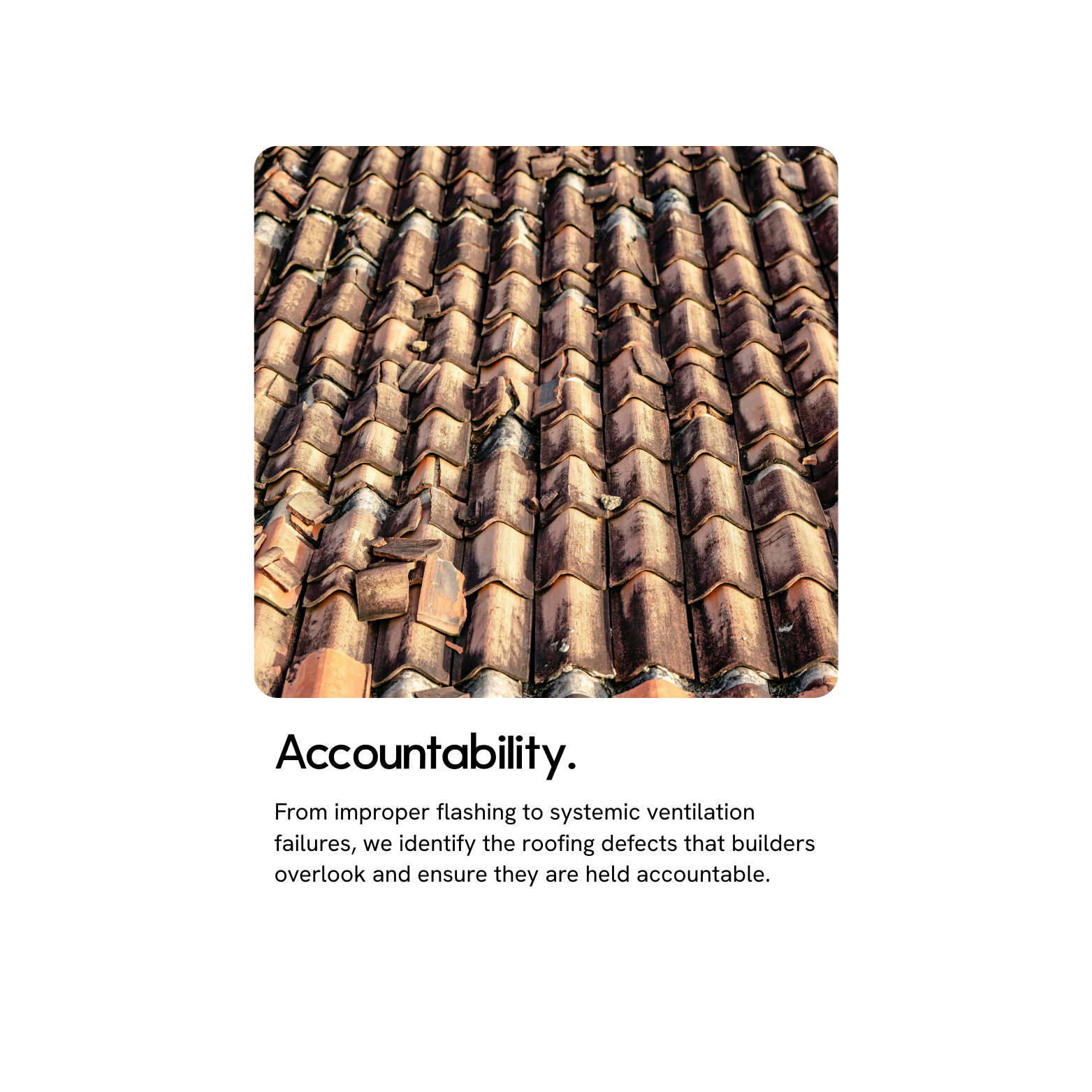

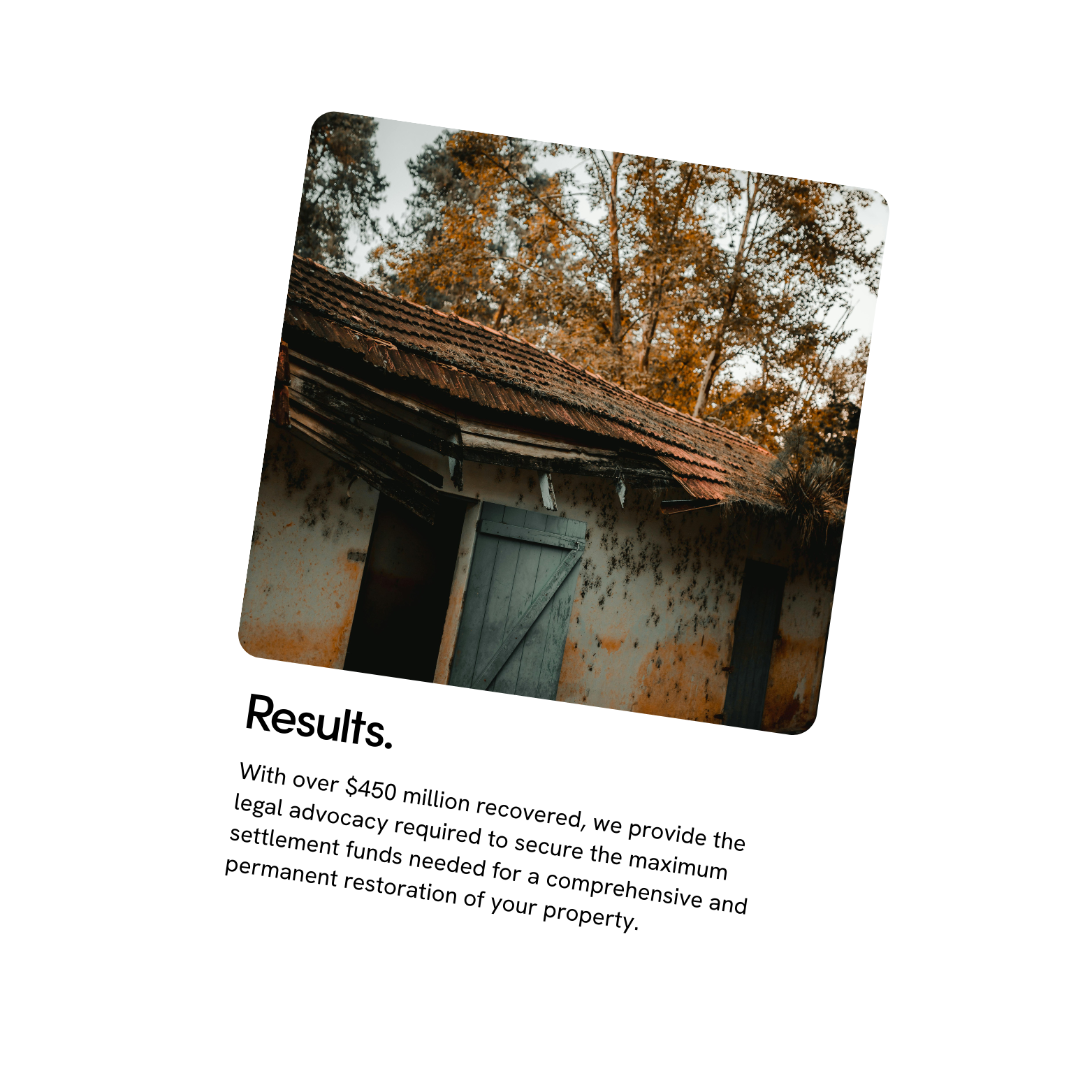
When a builder's roofing failures affect your community, we build the technical and legal case to hold them accountable.
At Hearn & Fleener, roofing construction defects are among the most common claims we handle for Colorado HOA communities and property owners. We partner with Colorado's leading forensic architects and roofing experts to identify systemic issues from improper ventilation and failed flashing to missing underlayment and inadequate wind-rated materials, and we build the technical case that forces builders to face the full financial consequences of their substandard work. Every step of our investigation is performed at no cost to your association or property.
Our investigation process includes non-destructive testing, comprehensive review of building permits and construction documents, and forensic site inspections conducted by specialized roofing consultants. Every step is performed at no cost to your association or property.


Why Colorado's Climate Turns Roofing Defects Into Major Structural Problems.
Hearn & Fleener

Construction Defect Experts.
Here is what your roof is up against.
Colorado's climate is among the harshest in the nation for roofing systems. Intense hail, heavy snow loads, powerful winds, and relentless high-altitude UV exposure place enormous stress on every component of a roof, exposing even the smallest installation defect within just a few seasons.
When a roof is built correctly, it can withstand these conditions for decades. But when a builder cuts corners on flashing, underlayment, ventilation, or materials, Colorado's freeze-thaw cycles drive water deeper into the structure with every passing winter, turning a minor defect into widespread rot and decay.
By the time the damage becomes visible inside your home or building, it has often been spreading unseen for years. What began as a roofing defect becomes a structural problem, and the cost of repair climbs dramatically the longer it goes unaddressed.
Hail.
Colorado experiences some of the most intense hail activity in the country, destroying poorly rated shingles in a single event.


Ice Dams.
Inadequate insulation and ventilation trap heat in the attic, forcing meltwater under shingles and into the building structure every winter.

High Winds.
Colorado experiences some of the most intense hail activity in the country, destroying poorly rated shingles in a single event.

UV Exposure.
Colorado's high altitude delivers significantly more intense UV radiation. Builder-grade materials degrade far faster than their warranty periods suggest.

Freeze-Thaw.
Dramatic temperature swings cause roofing materials to expand and contract constantly, accelerating deterioration at every improperly sealed joint.

Snow Loads.
Heavy snow accumulation places structural loads on roofing systems that were underspecified or improperly installed for Colorado's climate.
How Hearn & Fleener Investigates Roofing Defects.
-
Our team conducts a hands-on forensic inspection of your roofing system using non-destructive testing methods that document every defect without causing additional damage to the property. We bring specialized roofing consultants and building envelope experts to every inspection, examining drip edges, flashing, underlayment, ventilation systems, nailing patterns, and material specifications. Every finding is photographically documented and recorded in a format designed to hold up in arbitration or at trial.
-
We pull the original building permits, approved roofing plans, and manufacturer installation specifications to establish exactly what standard your roof was supposed to be built to. This research is critical to distinguishing a construction defect from storm damage or normal wear and tear, and it identifies every subcontractor responsible for the installation so that no responsible party escapes accountability.
-
We research the contractor licenses, insurance coverage, and corporate standing of every party responsible for your roofing installation. Understanding which parties are financially viable and what insurance coverage exists is essential to building a claim that results in actual recovery rather than a judgment against a dissolved entity with no assets. We complete this analysis before recommending whether to pursue a claim.
-
Our forensic findings and records research are translated into a legal strategy tailored to your specific roofing defect claim. We identify which parties are liable, what legal theories apply, what the realistic range of recovery looks like, and what the strongest path to resolution is, whether through direct negotiation, mediation, arbitration, or trial. Our roofing expert network has helped us prevail in claims involving every defect category described on this page.
-
Everything we have gathered is compiled into a comprehensive written report and presented in person to your Board of Directors and management company. Your board receives a complete picture of the roofing defects identified, the responsible parties, the projected repair scope and cost, and the realistic financial outcome of pursuing a claim, all before committing to anything, and all at no cost to your association.
At Hearn & Fleener, roofing construction defects are among the most common claims we handle for Colorado HOA communities and property owners. We partner with Colorado's leading forensic architects and roofing experts to identify systemic issues from improper ventilation and failed flashing to missing underlayment and inadequate wind-rated materials, and we build the technical case that forces builders to face the full financial consequences of their substandard work. Every step of our investigation is performed at no cost to your association or property.
Our investigation process includes non-destructive testing, comprehensive review of building permits and construction documents, and forensic site inspections conducted by specialized roofing consultants. Every step is performed at no cost to your association or property.
Common Roofing Defects.
Roofing defects are rarely caused by a single storm or a single mistake. They are typically the result of systemic errors during the construction phase that leave the entire roofing system vulnerable from the day the first shingle is laid. If your community or property is experiencing any of the following defect types, you may have a valid Colorado construction defect claim.
Builder Deficiencies.
Defect Types.
1
Flashing
2
Nailing
3
Leaks
4
Air Flow
Drip Edges.

A drip edge is a metal flange that directs water away from the fascia and into the gutter. When it is missing, undersized, or improperly installed, water wicks back under the shingles and rots the wood perimeter of the roof deck from the inside. This hidden deterioration typically goes undetected until the damage has spread across a significant portion of the roof structure.
Flashing.
Poorly installed metal flashing around chimneys, dormers, skylights, and roof-to-wall transitions is the leading source of water intrusion in both residential and commercial roofs across Colorado. When flashing is incorrectly lapped, improperly sealed, or made from substandard materials, water finds its way into the building assembly at exactly the points where the roofing system is most vulnerable. Flashing failures are among the most common roofing defects we document in Colorado construction defect claims.
Underlayment.
Ice and Water Shield is a self-adhering waterproof membrane required by Colorado building codes in critical areas including eaves, valleys, and roof penetrations. When builders skip this component or apply it incorrectly, snowmelt backs up under shingles during freeze-thaw cycles and penetrates the roof deck. This type of water intrusion causes progressive rot in the structural roof components and is a direct result of a builder's failure to follow both the code requirements and the manufacturer's installation specifications.
Ventilation.
Improperly balanced intake and exhaust ventilation traps heat and moisture in the attic space, accelerating shingle deterioration from the inside and creating the conditions for destructive ice dams in Colorado winters. A properly engineered roofing system requires a specific ratio of intake vents at the eaves and exhaust vents at the ridge. When builders fail to meet that ratio, the resulting heat buildup literally cooks shingles from beneath, causing premature failure that the manufacturer's warranty will not cover because the installation was defective.
Materials.
Builders may use builder-grade roofing materials that do not meet the architectural specifications called for in the approved plans or Colorado's impact-resistance and wind-rating requirements. In Colorado's hail-prone environment, using materials that do not carry a Class 4 impact resistance rating in areas that require it leaves the entire roofing system vulnerable to premature failure after the first significant hail event. When a builder substitutes cheaper materials than those specified, that substitution is a construction defect.
Improper Nailing.
Using the wrong nail length, incorrect nail placement, or a nailing pattern that is too high on the shingle prevents those shingles from reaching their rated wind resistance. This installation error, known as high-nailing, is invisible from the exterior after installation but can be documented through forensic inspection. A roof with improperly nailed shingles may appear intact until the first high-wind event, at which point widespread shingle blow-off exposes the building to immediate water intrusion. In Colorado's Special Wind Regions this failure carries particularly serious consequences.
Frequently Asked Questions.
1
Cost
2
Time
3
Effort
4
Liability
-
This is one of the most important distinctions in roofing construction defect cases because builders frequently attempt to characterize legitimate installation defects as storm damage to avoid accountability. While hail and wind cause visible surface damage to shingles, genuine construction defects are typically structural failures caused by missing or improperly installed components that exist independent of any storm event. A roof with properly installed drip edges, flashing, underlayment, and correctly nailed shingles can withstand Colorado's typical storms for decades.
A roof with installation defects will fail prematurely regardless of weather conditions, and in many cases the storm simply reveals a defect that was present from the day the roof was installed. Our forensic inspections are specifically designed to document the difference and present that evidence in a legally defensible way.
-
Shiners are nails that missed the wooden rafter or truss during installation and are visible as bright metal points from inside the attic. These misplaced nails act as thermal bridges, causing frost and condensation to form on them during Colorado winters. As temperatures rise, that frost melts and drips onto the attic floor or insulation below, causing progressive wood rot and moisture damage that homeowners and HOA boards typically mistake for a roof leak. Shiners are a direct result of careless nailing practices during installation and are a recoverable construction defect under Colorado law.
-
Ice dams in a relatively new roof are almost always a symptom of two construction defects working together: inadequate attic insulation and insufficient ventilation. When heat escapes from the living space through a poorly insulated attic, it warms the roof deck and melts snow above it. That meltwater flows down the roof slope until it reaches the cold eaves, where it refreezes and forms a dam of ice.
Subsequent meltwater backs up behind that dam and forces its way under the shingles, entering the building structure and causing water damage to ceilings, walls, and insulation. If your home or building was constructed within the past several years and consistently develops ice dams, the cause is almost certainly a construction defect rather than a weather event.
-
Yes, ponding water on any flat or low-slope roof is a serious problem even when active leaks have not yet appeared. In Colorado, ponding water cycles through repeated freeze-thaw events that cause progressive deterioration of the roofing membrane even before a visible breach occurs. Ponding water also accelerates the deterioration of membrane seams and flashings, adds structural load beyond what the roof system was designed to carry, and creates conditions for algae and biological growth that further degrade the membrane.
By the time visible leaks develop, the underlying membrane has typically sustained significant damage that extends well beyond the leak location. If your flat or low-slope roof is experiencing ponding water, contact Hearn & Fleener for a free forensic evaluation before the problem compounds further.
-
The appropriate wind rating depends on the specific location of your property within Colorado. Certain areas of the Front Range and throughout the mountain regions are designated as Special Wind Regions under the International Residential Code, which requires that builders and architects consult the local building department to obtain the specific wind rating requirements applicable to that site. Most standard shingles are rated for wind speeds of 80 miles per hour, but properties in Special Wind Regions may require hurricane-rated shingles rated for significantly higher wind speeds.
A builder or roofing contractor who installs improperly rated shingles on a property in a Special Wind Region has installed a product that does not meet the applicable code requirements for that location, voiding the manufacturer's warranty and creating a valid construction defect claim. If your roof is experiencing wind-related failures, our forensic team will determine whether the installed materials met the site-specific wind requirements when your property was constructed.
Is Your Colorado Roof Failing Before Its Time? We Can Tell You Why and Who Is Responsible.
Colorado's construction defect filing deadlines are strict. If your community or property is experiencing roofing failures in a relatively new building, do not wait for the damage to compound further before getting an honest assessment of your legal options.
Contact Hearn & Fleener today for a free confidential forensic inspection and written report. No upfront costs, no obligation, and no risk. You only pay us when you recover.