


THE FOUR STEP
CONSTRUCTION DEFECT PROCESS.
A risk free, four-step process, from the first inspection all the way through repairs.

1
2
3
4
The Construction Defect Solution for Colorado Property Owners.
What You Get.
If you’re a homeowner, HOA board member, or property manager who suspects something may be wrong with your building, your first question is probably: “Where do I even start?” For more than 40 years, we’ve answered exactly that question for Colorado property owners, and we’ve made the answer as simple and risk-free as we can.

Hearn & Fleener
How we work.
Free Inspection.

Our team takes a careful, hands-on look at your property. The structure, common areas, and building systems, inside and out. We bring in specialized experts when needed and document anything we find, all at no cost to you.
Free Written Report.
When our investigation is done, we give you a clear written report of what we found and what we’d recommend in plain language, not legal jargon. It’s the information you need to decide whether to move forward, and there’s no obligation to hire us.
No Risk Representation.
If we do not win, you owe us nothing. No legal fees, no expert costs, no engineering bills. Zero.
Our process is designed to give your community complete transparency at every step from the moment we first walk your property to the day your community receives the funds needed to make lasting repairs.
What are Construction Defects?
What to Look For.
A construction defect is any part of a home or building that wasn’t built or designed the way it was supposed to be, meaning it doesn’t match the approved plans, the building codes, the manufacturer’s instructions, or the standards the industry expects. Put simply: if your builder promised a certain level of quality and didn’t deliver, that can be a construction defect.

Common Construction Defects
What makes an issue a construction defect?
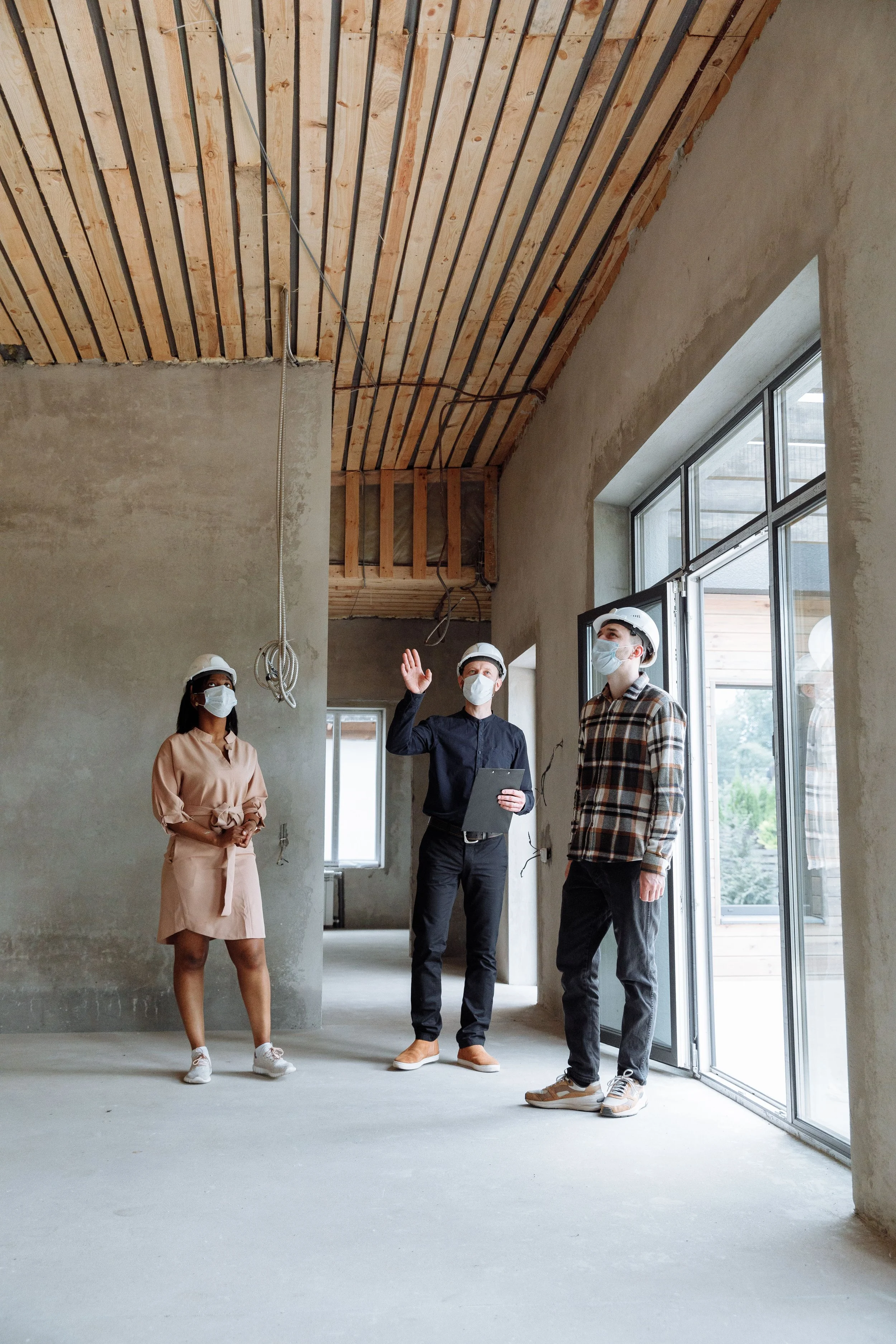
Structural Issues.
The frame and foundation that hold everything up. This is one of the most common problems in Colorado, where the clay soil swells and shrinks as it gets wet and dries out, which can crack foundations, bow walls, and leave floors uneven.

Undersized structural components.
Foundation cracks or poor concrete mix.

Improperly braced walls.
Unapproved modifications to building plans.
A solid foundation makes for a solid building.
Mechanical Systems.
Heating, plumbing, and similar systems installed incorrectly, which can drive up maintenance costs and, in some cases, create safety risks.

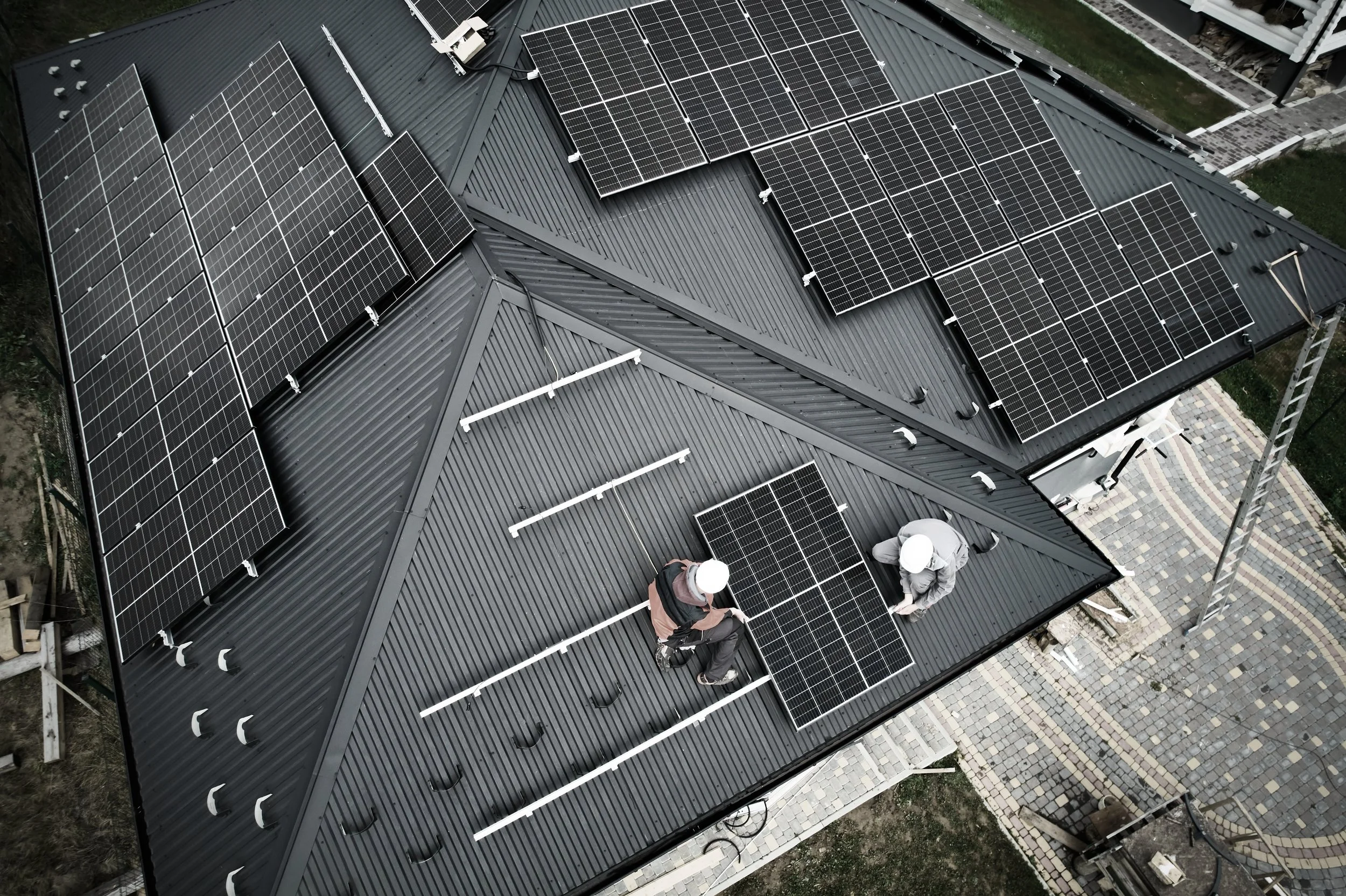
Roofing Defects.
Poor sealing, drainage, or installation that lets water leak inside and damage the interior.

Improperly installed or missing flashing.
Defective or missing waterproofing.
Inadequate attic ventilation.
Substandard or improperly rated materials.
Shingles incorrectly nailed.
Keeping the elements out of your home.
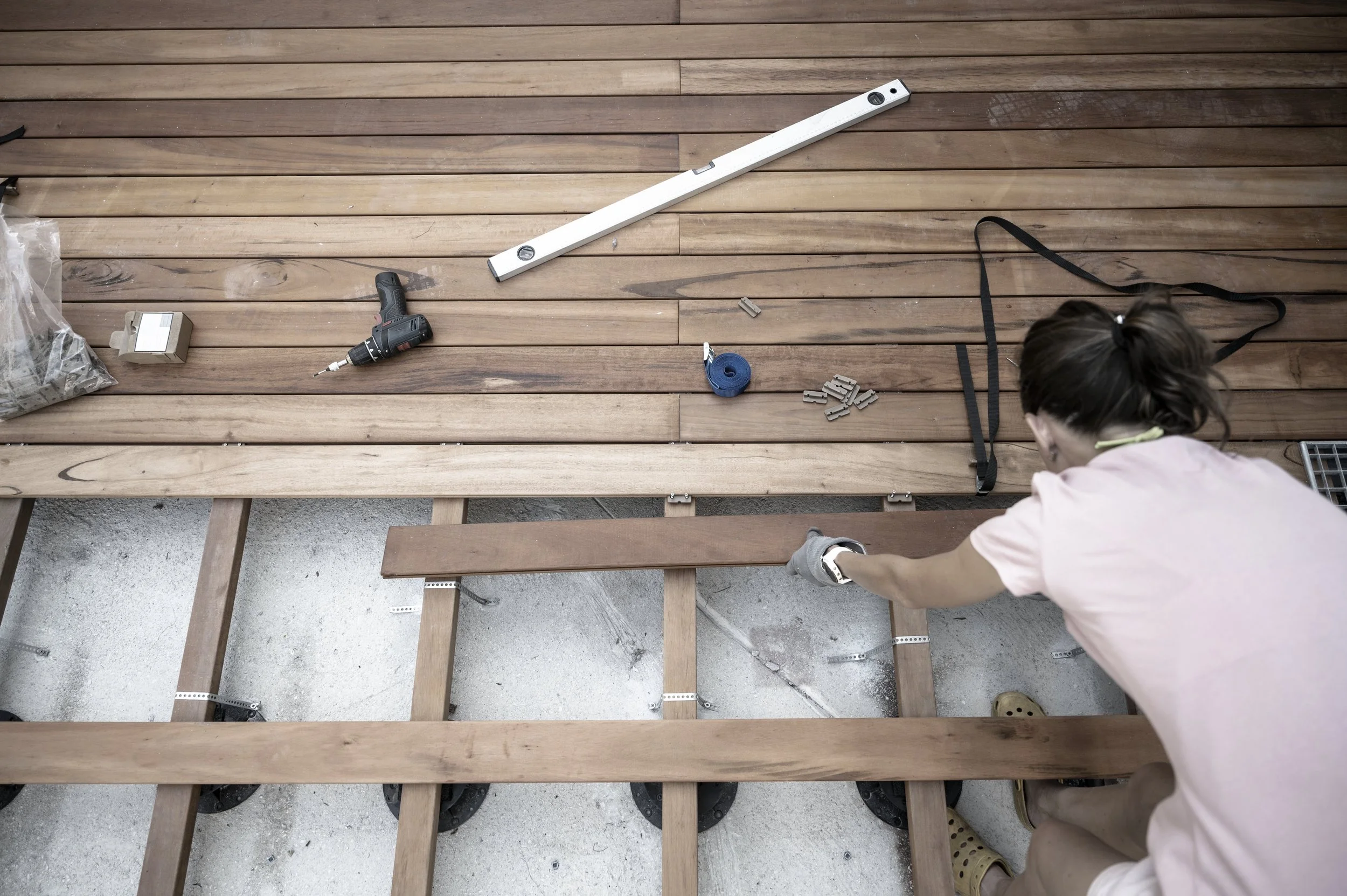
Deck & Balcony Defects.
Poor waterproofing and weak structural connections that can cause both water damage and serious safety hazards such as a wobbly balcony that is not just a nuisance, it’s dangerous.
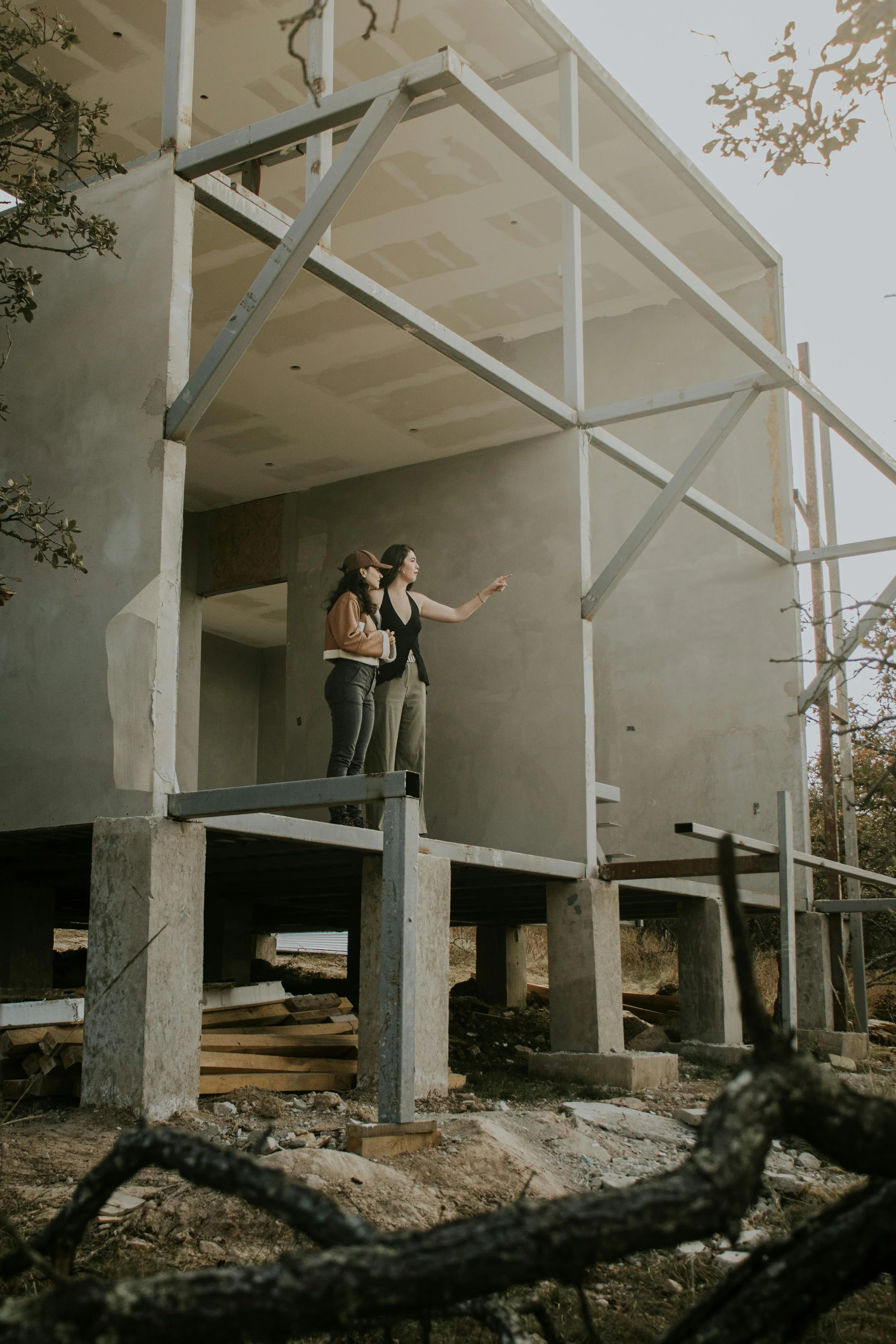
Exterior Elements.
Defects in the windows, doors, and exterior surfaces (like stucco) that let water get into the walls and framing.

Missing weather barriers behind siding.
Missing or badly installed sealants.
Poorly installed stucco or surfaces.
Missing or defective window & door flashing.
Inadequate drainage behind your walls.
Improper installation can cause lasting and costly issues.

Spotting a possible defect is one thing. Proving what's really going on takes an expert, and that's exactly what our four-step process is for.

Our No Cost, Four-Step Process.
Our comprehensive four-step process provides a proven roadmap for your community, guiding you with total transparency from the initial investigation through the final restoration of your property.





Step 1.
We Come Look at Your Property.
It starts with a visit. One of our team members comes to you and takes a careful look at your property, inside and out, including the areas around the building. We're looking for anything that stands out. Signs of a construction problem, or spots worth a closer look. You don't need to prepare anything or know what to point out. That's our job.
Examine the property.
Step 2.
We Pull the Original Building Records.
Next, we track down the paperwork from when your property was built. The permits, approved plans, and inspection records kept on file with the city or county. These records tell us a lot: who built the property, who they hired to do the work, what the plans were supposed to include, and when it was all done. This is often where the first real answers start to come together.
Review the blueprints.

Step 3.
We Look Into Your Options.
Now we put the pieces together. We review the documents that apply to your property. Things like your contracts, sales paperwork, and, for communities, your association's governing documents. We also check whether the builder and everyone involved are still in business, still licensed, and actually able to pay for repairs.
This last part matters: before you decide anything, you'll know not just whether you have a case, but whether pursuing one makes practical sense for you.
Research the property.
Step 4.
We Give You a Clear Written Report.
Finally, we put everything we found into one straightforward written report, along with our honest recommendation. There's no confusing legal language, just a plain explanation of what's going on with your property and what we'd suggest doing about it. If you're a community or association, we'll come present it in person to your board and management company and answer every question in the room.
Either way, this report is yours, and the next move is entirely your decision.
Comprehensive Report.

You don’t have to be sure there’s a problem to reach out. Because Colorado does put time limits on these claims, it’s worth having a quick conversation sooner rather than later.
Contact us today for your free, confidential inspection and report. No cost, no obligation, no risk. Just experienced Colorado attorneys ready to give you honest answers.