

Protecting Your Community from the Top Down: A Guide to Roof Construction Defects
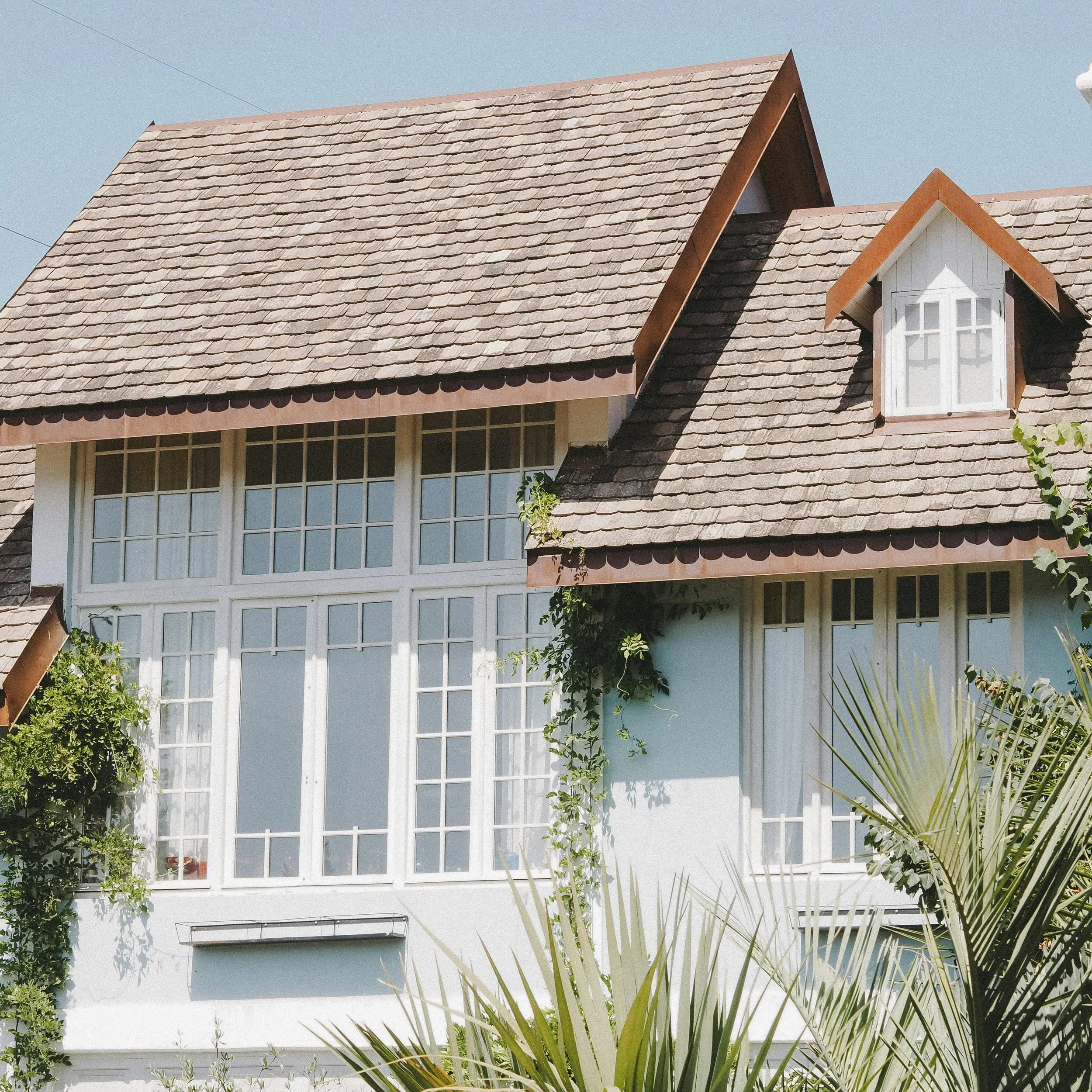
Your primary defense against Colorado’s harsh weather.
A roof is a commercial building or multi-family community’s primary defense against Colorado’s uncompromising elements. Along the Front Range, and particularly in cities like Boulder, Longmont, and Fort Collins, roofs are subjected to extreme temperature fluctuations, heavy spring snow loads, and high-velocity winds.
When a roof fails prematurely, it is critical to determine the root cause. Property managers and Homeowners Association (HOA) boards frequently assume that a leak is the result of recent severe weather and file an insurance claim. However, if the building is relatively new, the underlying issue is often a hidden construction defect.
When builders utilize substandard materials, fail to integrate waterproofing correctly, or ignore local building codes, the resulting damage can devastate a community's reserve funds. Here is an educational guide to identifying defective roof installations, navigating the legal avenues for holding the builder accountable, and understanding the necessary remediation strategies.
1. Recognizing the Early Signs of a Defective Roof Installation
The most challenging aspect of roof defects is that they often remain invisible until significant interior damage has already occurred. Furthermore, it is essential to distinguish between standard weather wear-and-tear and an installation failure.
To proactively manage your community's assets, watch for these critical indicators of a construction defect:
Chronic Ice Damming: In Colorado, massive icicles or thick ridges of ice forming at the roof's edge are not simply a winter nuisance; they are often a symptom of defective construction. Ice dams occur when builders fail to install adequate attic insulation or proper ventilation. Heat escapes from the living space, melting the snow on the roof, which then refreezes at the colder eaves, eventually forcing water backward under the shingles.
Ponding Water on Flat Commercial Roofs: Flat or low-slope roofs (common in modern condo buildings and commercial properties) must be engineered with a subtle pitch to direct water toward drains. If water sits on the roof membrane for more than 48 hours after a storm, the civil grading or drainage design is fundamentally flawed. Ponding water rapidly degrades roofing materials and dramatically increases the risk of a catastrophic collapse.
Missing or Improperly Installed Flashing: Flashing is the metal sheeting used to seal vulnerable transitions, such as where a roof meets a parapet wall, chimney, or skylight. If flashing is omitted, installed backward, or fails to properly overlap the weather-resistant barrier, water will bypass the roofing system entirely and rot the structural framing beneath.
Blistering or "Alligatoring" Membranes: On flat commercial roofs, if the synthetic rubber (EPDM) or thermoplastic (TPO) membrane begins to bubble or crack in a pattern resembling alligator skin shortly after installation, it strongly indicates that the contractor trapped moisture underneath during the application or used incompatible adhesives.
2. Can You Sue the Builder for a Failing Roof?
If independent forensic testing reveals that your roof failure is the result of builder negligence rather than an "Act of God" (like a severe hailstorm), you have the legal right to pursue compensation. However, successfully litigating a construction defect claim in Colorado requires strict adherence to statutory procedures.
Insurance vs. Defect Claims: Builders will frequently attempt to blame roof failures on extreme weather to shift the financial burden onto your community's property insurance policy. It requires highly specialized architectural and engineering experts to legally prove that the damage stems from code violations and poor workmanship, forcing the builder's liability insurance to cover the loss instead.
Strict Timelines (Statutes of Limitation and Repose): Property owners must act swiftly. You generally have two years to file a claim from the date you discover the defect or the resulting physical damage (like a water stain on the ceiling). Additionally, the Statute of Repose strictly bars any claims made more than six years after the project's substantial completion, regardless of when the leak finally appears.
The Pre-Litigation Process (CDARA): Colorado’s Construction Defect Action Reform Act (CDARA) mandates that you serve the developer and subcontractors with a formal Notice of Claim before filing a lawsuit. This legally triggers a window allowing the builder to inspect the failing roof and present a settlement offer to fund the repairs.
HOA Voting Requirements: If you manage an HOA, remember that recent legislation requires boards to secure a 65% affirmative vote from all unit owners before proceeding with a construction defect lawsuit. Educating homeowners about the difference between an insurance claim and a builder defect is critical to achieving this consensus.
Finding an experienced construction defect firm.
Because roof claims often involve complex overlapping insurance policies and multi-layered subcontractor liability, partnering with a plaintiff construction defect firm that operates on a contingency fee basis allows your community to build a robust evidentiary case without draining operational budgets.
3. Engineering Options to Correct Roof Defects
When Hearn & Fleener successfully recovers funds for a community, those damages must be strategically deployed to execute permanent repairs. "Patching" a defective roof is rarely sufficient, as the underlying installation methodology is usually compromised.
Common remediation protocols overseen by construction managers include:
Full Membrane Replacement and Tapered Insulation: For commercial flat roofs suffering from ponding water, the existing damaged membrane must be removed. Engineers will then install a tapered rigid insulation system beneath the new membrane to artificially create the proper slope, ensuring positive drainage toward the scuppers.
Envelope Integration and Re-Flashing: If water intrusion is occurring at the roof-to-wall transitions, the exterior cladding (stucco or siding) must often be partially removed. This allows contractors to correctly integrate new metal flashing directly into the building's weather-resistant barrier, creating an uninterrupted waterproof envelope.
Ventilation and Thermal Remediation: To permanently resolve ice damming, the remediation scope will move into the attic space. This involves sealing thermal bypasses (where conditioned air escapes into the attic), upgrading insulation to meet current Department of Energy standards, and installing proper soffit and ridge vents to ensure cold airflow beneath the roof deck.
Secure Your Community's Future.
Roof defects compromise the safety of your residents and the structural integrity of your entire building. If your Boulder, Longmont, or Northern Colorado community is experiencing premature roof failures, you must act before your legal deadlines expire.
Contact Hearn & Fleener to schedule your community's No-Cost, 4-Step Evaluation. Our legal and engineering experts will help your board uncover the true cause of the damage and build a comprehensive roadmap to financial recovery.
Reach out to our team at 303-993-6835, email us at info@hearnfleener.com, or visit us online at www.hearnfleener.com to schedule your free consultation.