

5 Critical Colorado Construction Defect Law Updates Every HOA Board Must Know in 2026
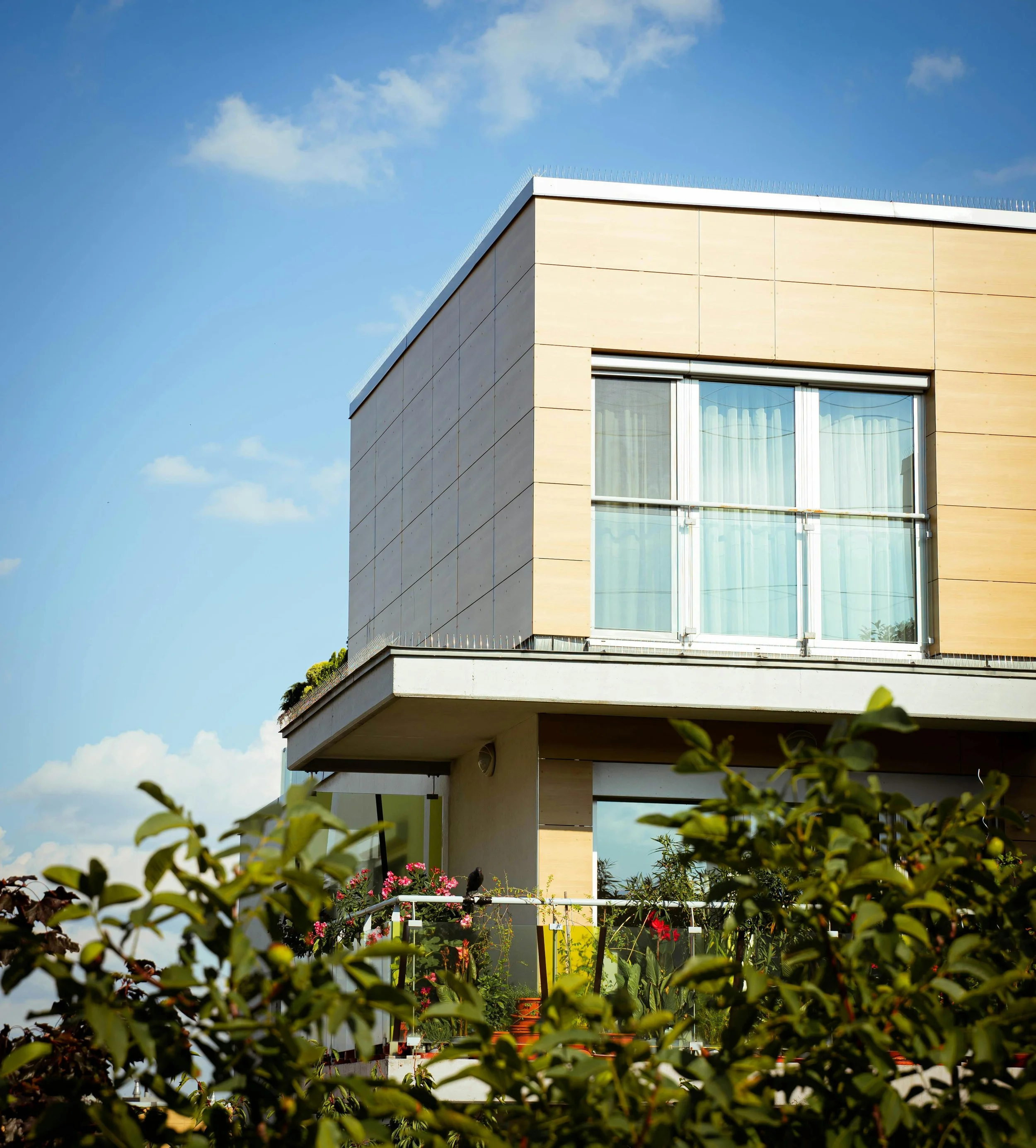
Updates to Laws Affecting Homeowner Associations.
Colorado’s construction defect litigation landscape has undergone a massive shift over the past year. With the passage of House Bill 25-1272 (often referred to as the Colorado Dream Act or the Multifamily Construction Incentive Program), lawmakers have introduced sweeping changes that directly impact how Homeowners Associations handle building deficiencies. Major provisions of this legislation took effect on January 1, 2026, fundamentally altering the legal requirements, risks, and timelines for community associations.
For HOA boards and property managers, understanding these changes is no longer optional, it is a critical component of your fiduciary duty. Here are five of the most important legislative updates and how your community must adapt to protect its assets.
1. Increased Voting Thresholds for Litigation
The Update: Previously, an HOA board could initiate a construction defect lawsuit with a simple majority vote from its homeowners. Under the new law, the threshold has been significantly raised. As of January 1, 2026, an association must obtain affirmative approval from 65% of all unit owners before proceeding with a construction defect claim against a developer or builder.
How to Prepare: Reaching a 65% consensus in any community is a logistical challenge. Boards must abandon the practice of waiting until the end of the statute of limitations to inform owners about building issues. Instead, implement a strategy of radical transparency early on. Hold town halls, distribute expert engineering reports, and clearly communicate the financial stakes of the defects. By educating homeowners long before a vote is required, you build the trust and understanding necessary to secure a supermajority if litigation becomes the only path forward.
2. Strict Mandates on Settlement Fund Usage
The Update: In an effort to ensure that lawsuits translate directly into community improvements, the state now dictates exactly how recovered funds are utilized. If an HOA prevails in a construction defect case or secures a settlement, the monetary damages awarded must be used exclusively to repair the alleged defects before the funds can be allocated to general reserves, routine maintenance, or any other community purpose.
How to Prepare: Boards need to establish strict accounting and project management protocols. Work with your community manager to set up dedicated, isolated bank accounts for any anticipated settlement funds to prevent commingling with operational or reserve accounts. Additionally, boards should engage construction managers and secure preliminary repair bids during the litigation process so that remediation work can begin immediately once funds are disbursed.
3. The Multifamily Construction Incentive Program (MCIP)
The Update: The new legislation created the MCIP, a voluntary program that grants builders specific legal shields in exchange for meeting enhanced warranty and third-party inspection requirements. If your builder opted into this program, your HOA's ability to sue is severely restricted. Claims against MCIP participants cannot be based on superficial or technical code violations; they must demonstrate actual damage to real property, loss of use, bodily injury, or a substantial risk to life and safety.
How to Prepare: The days of relying on minor technical deviations to force a settlement are over. If your community suspects defects, it is imperative to hire highly qualified forensic engineers and architects immediately. These experts must specifically document how the builder's failures have resulted in tangible, physical damage or severe safety risks. Your legal and engineering teams must build a case that clearly surpasses these new, higher statutory thresholds before filing a Notice of Claim.

Update your association documents and policies to stay up to date on the latest laws.
It’s imperative HOAs, Boards, & Community Managers stay on top of the latest legislation in Colorado and consult their association’s legal councel to ensure they are on top of updates and keep their documents current.
4. An Enforceable Duty to Mitigate Damages
The Update: The updated law introduces a strict requirement for claimants to take reasonable steps to mitigate damages before and during the claims process. If an HOA discovers a defect—such as a leaking roof or pooling water at the foundation—and allows it to worsen without intervention, the court can bar the association from recovering damages for that subsequent deterioration. Claimants must now officially certify that they have fulfilled this mitigation duty.
How to Prepare: Boards cannot put a freeze on maintenance simply because a defect is a builder's fault. You must implement and fund immediate triage repairs. If a window is leaking, have it professionally sealed or tarped to prevent interior water damage and mold growth. Treat these as temporary, necessary interventions, and meticulously document every invoice, photograph, and work order associated with the mitigation. These records will be vital for proving compliance and recovering those triage costs later.
5. Aggressive Fee-Shifting and Settlement Risks
The Update: The pre-litigation Notice of Claim process now carries significant financial risk for associations. Under the new fee-shifting provisions, builders are required to respond to defect notices with a settlement offer or a detailed denial. If an HOA rejects a builder's written offer of settlement and later recovers less money in court than what was offered, the judge may order the HOA to pay the builder’s attorney fees and costs.
How to Prepare: This provision is designed to force early settlements and penalize aggressive litigation. Boards must never evaluate a builder's settlement offer in a vacuum. You must retain independent, third-party cost estimators and specialized construction defect legal counsel to objectively analyze the true cost of repairs versus the builder's offer. Every counteroffer or rejection must be backed by hard, defensible data to protect the association from devastating fee-shifting penalties.

Protect Your Community with Hearn & Fleener.
Navigating these new legislative hurdles can feel overwhelming, but your board does not have to do it alone. If you suspect construction defects in your community, or if you simply need guidance on how these new laws impact your association, contact Hearn & Fleener today.
As Colorado’s premier plaintiff construction defect firm for HOAs, we are dedicated to protecting your property values and guiding you through our unique, no-cost, four-step evaluation process.
Reach out to our team at 303-993-6835, email us at info@hearnfleener.com, or visit us online at www.hearnfleener.com to schedule your community's free consultation.