


Construction Defect Attorneys.
Strategic Legal Defense for Longmont’s diverse properties.
1
2
3
4
Defending the structural integrity and long-term equity of Longmont’s premier developments through data-driven forensic litigation.

We offer Longmont HOAs a sophisticated diagnostic suite to expose hidden defects without upfront financial commitment. Our goal is to empower your board with the evidence needed to protect long-term property values. Hearn & Fleener provides the forensic weight needed to hold national builders accountable. We leverage the 2026 Construction Defect Action Reform Act (CDARA) to secure the capital needed for permanent remediation without burdening homeowners with emergency costs.
No-Cost Audit and Report for Longmont Properties.



No cost inspection.
A forensic assessment by specialized engineers to identify defects in your infrastructure. We comb through your property with the latest technology to ensure any defect is discovered.

No cost property report.
A technical document providing the evidence needed for informed, high-stakes legal decision-making.
The Longmont Restoration Protocol: A Four-Phase Recovery Plan
We eliminate the guesswork of defect management with a systematic path to property restoration.

Site Survey.
We conduct a physical audit to pinpoint latent markers of distress, from thermal failures to foundation shifting triggered by the region's expansive soil.

Code Audit
Our team reviews City of Longmont permits and original blueprints to identify deviations from mandated structural and energy codes.


Risk Modeling.
We analyze insurance layers and governing documents to engineer a recovery strategy designed for maximum fiscal impact.

Executive Report.
We deliver a definitive briefing to your Board, providing the technical evidence needed to authorize a claim with absolute confidence.
Unmatched Support for Longmont HOA and Community Boards.

Rebuilding your community, one step at a time.
We serve as a primary shield for Board members, providing the technical evidence needed to satisfy your fiduciary duties under the current legislative landscape.
-
We provide forensic data to protect individual directors from potential liability claims while ensuring the property is restored to code.
-
Meeting the 65% owner approval mandate requires clear communication. We help educate residents on the benefits of a developer-funded recovery.
-
We target developer insurance to ensure the cost of repair is borne by those responsible, maintaining your community's fiscal health.
Bespoke Representation for Longmont’s Architectural Landscape.
We provide surgical advocacy tailored to the specific construction methods found within the Longmont corridor. Every property is unique, and we have the staff and expertise to represent and litigate for your property.
Providing solutions to your property, no matter the type.
Modern Lofts.
Resolving high-density challenges like shared mechanical failures and acoustic dampening breaches in modern mid-rises.
Suburban Neighborhoods.
Probing systemic errors in large-scale residential projects, including grading failures and mass-produced envelope defects.

Local knowledge of Longmont building guidelines and laws.
Commercial.
Managing defects in professional office spaces, specifically targeting flat-roof failures and subterranean leaks.
Adult Living.
Addressing the unique structural pressures of purpose-built multi-family housing, targeting fire-wall separations and life-safety non-compliance.


Colorado’s Top Attorney’s
Why Hearn & Fleener is Longmont’s #1 Construction Defect Firm.
Local Knowledge and Dedication.
1
2
3
4
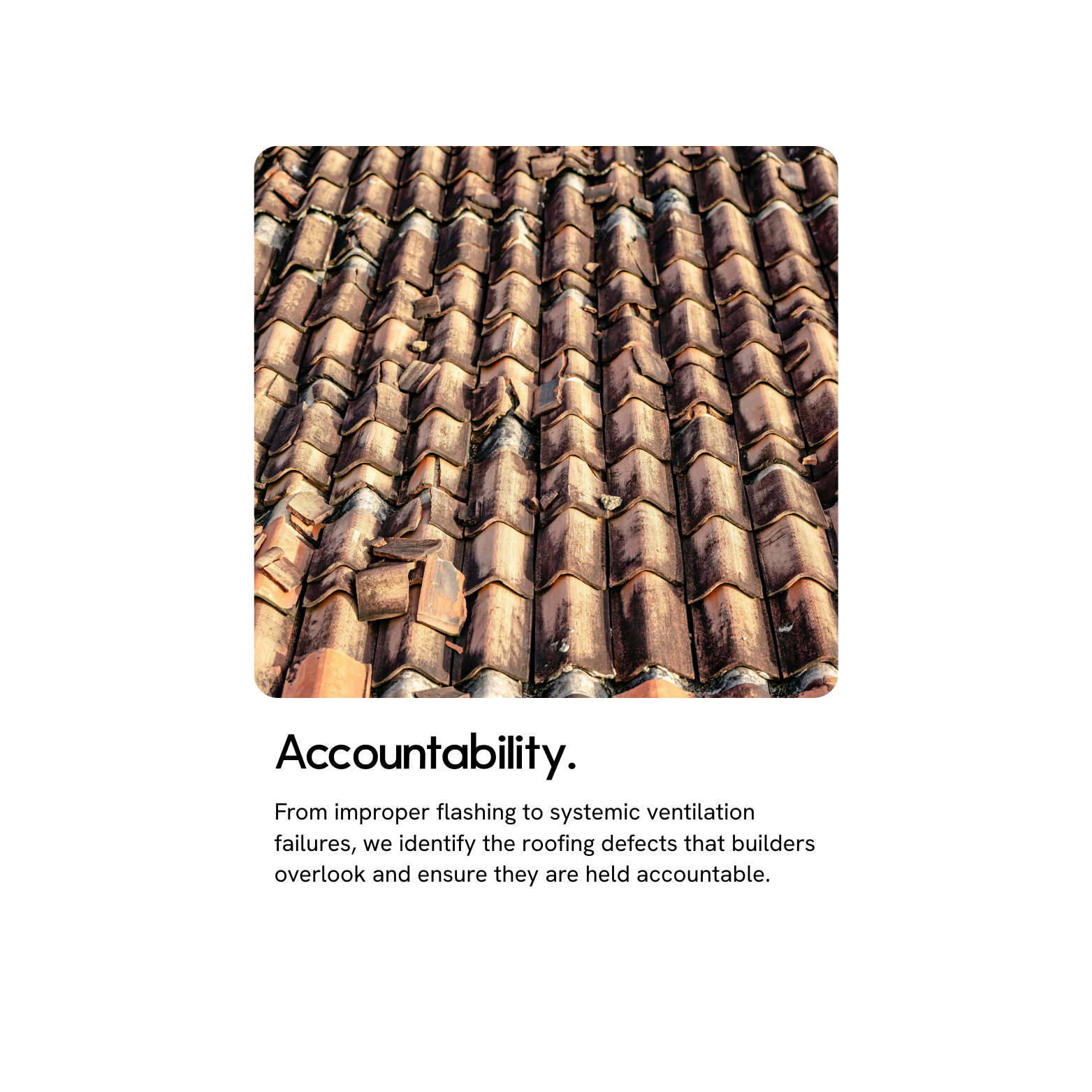

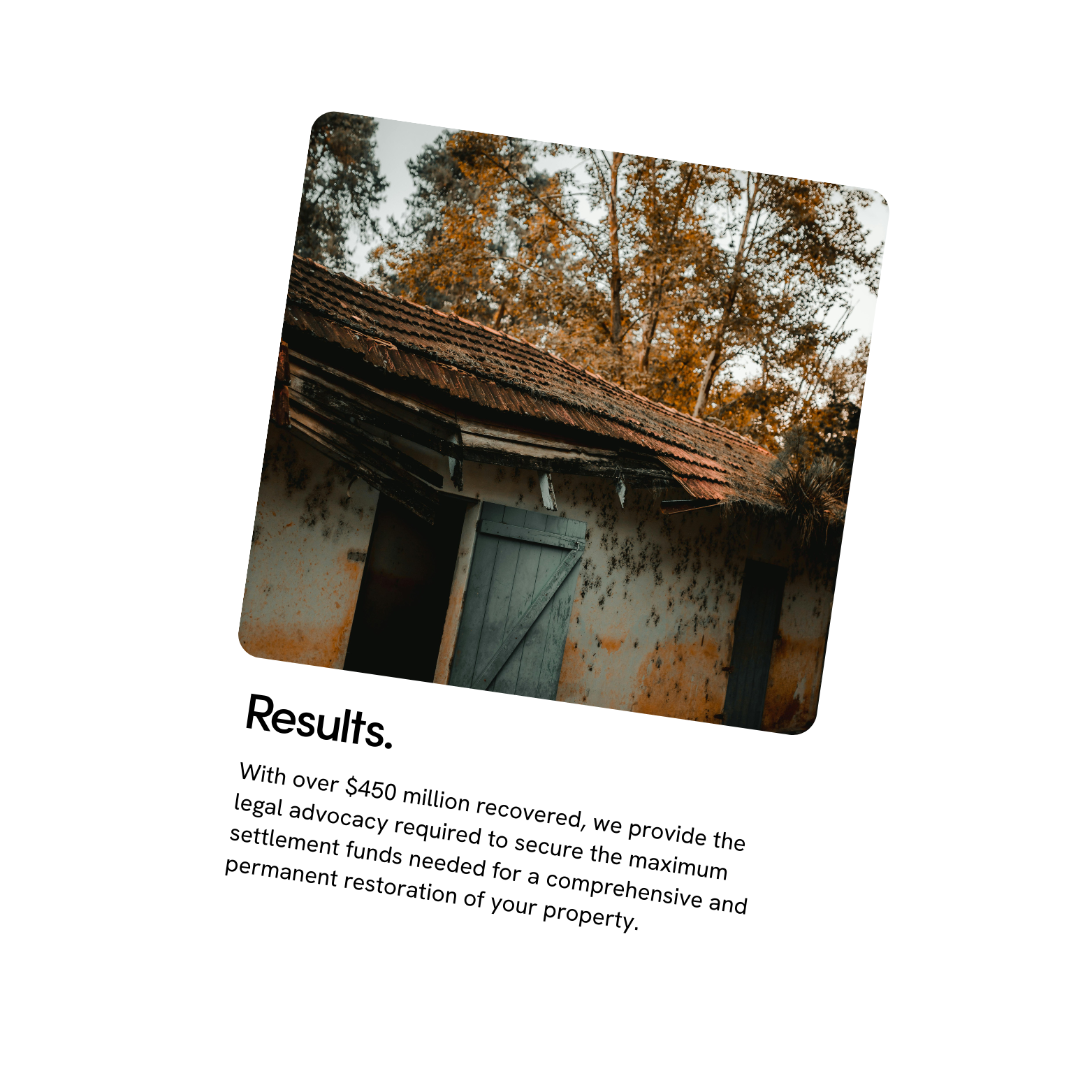
Foothills Forensic Analysis: Navigating Longmont’s Environmental Risks
Hearn & Fleener’s heritage provides a sophisticated understanding of how Longmont’s micro-climates interact with building materials. We detect failures triggered by high-plains wind and volatile soil that standard firms often overlook.
Foundations.
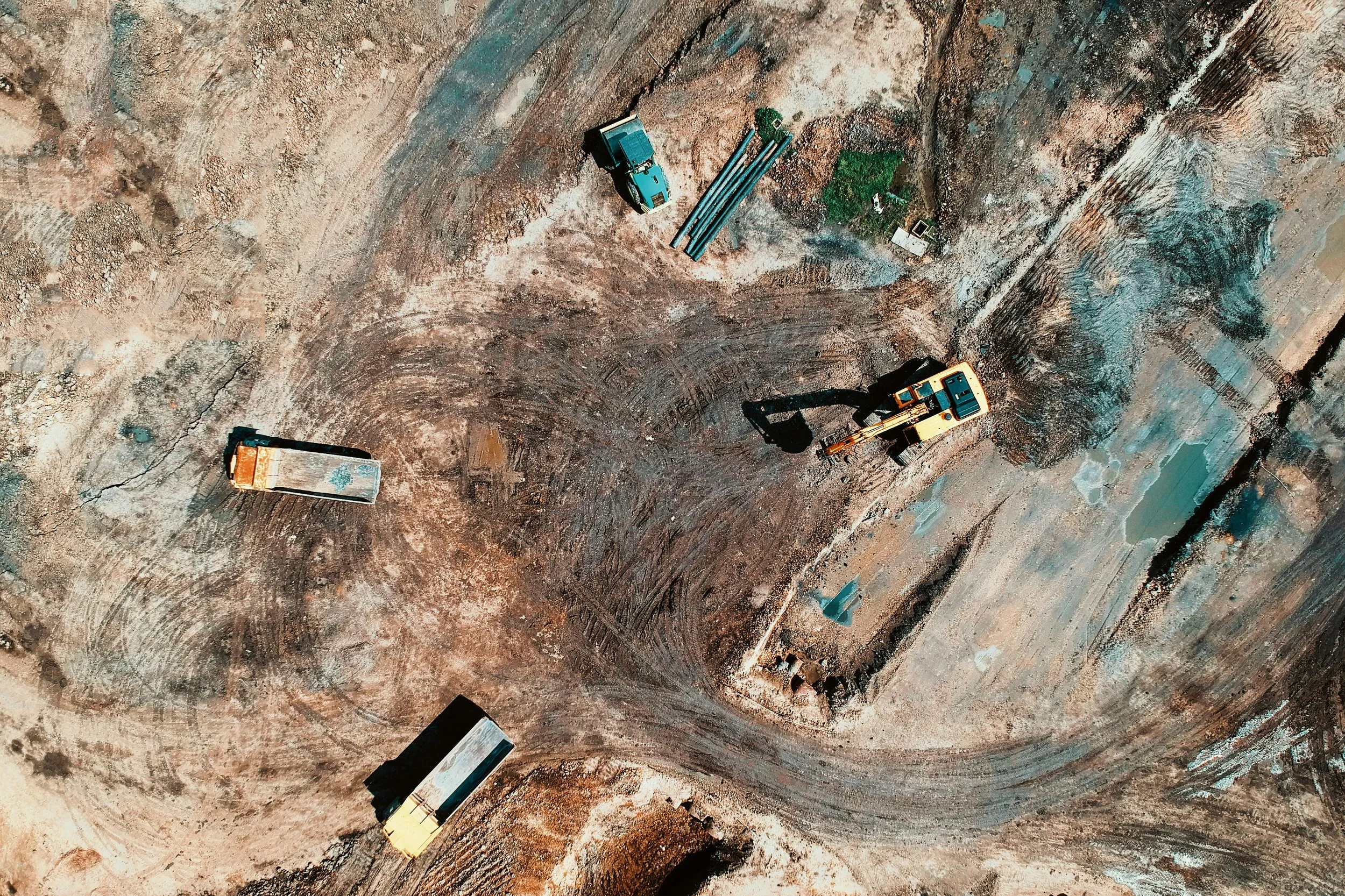
Much of Longmont sits on expansive soil. If foundations weren't engineered properly, this movement buckles finishes and snaps concrete.
High Winds.
Situated in the Northern wind corridor, Longmont assets face extreme weather. We identify where builders failed to meet wind-load securement standards.
Leaks.
Near high water tables or local irrigation, inadequate drainage leads to water intrusion in underground structures, compromising support columns.
The Hearn & Fleener Edge: Why Longmont Communities Trust Us
We view Northern Colorado recovery through the lens of high-altitude engineering. Our "engineering-first" approach ensures we secure the funding required for true restoration, not just patch-work repairs.
-
Our team wins. We recently secured an $8.5 million award for a Colorado community after a builder refused a reasonable settlement.
-
Since the early 1980s, we have focused exclusively on construction law, giving our Longmont clients a distinct advantage.
-
Our mission is to ensure repairs are funded by those responsible. We work to avoid devastating special assessments or increased dues.
-
We have a proven record of standing by NoCo associations when builders walk away, finding creative solutions to restore property safety.
Frequently Asked Questions.

-
This is a frequent search for Longmont residents and often points to foundation movement caused by expansive bentonite clay. We investigate if the builder utilized the required deep-pier foundation systems to mitigate this pressure.
-
While builders often dismiss these as "settling," in the Longmont corridor, they are frequently early indicators of expansive soil heaving. Because much of the area near Sandstone Ranch and North Longmont sits on high-plasticity clay, foundations require specific engineering. We investigate if the developer failed to perform adequate soil mitigation or used insufficient pier depths, causing the structure to "flex" and damage interior finishes.
-
Longmont experiences high-velocity "downslope" winds that test the limits of building envelopes. We frequently find that builders fail to meet high-wind securement standards for asphalt shingles and siding. If your community has experienced recurring roof damage or "chattering" siding, it may be a systemic installation defect rather than an "Act of God," allowing the association to recover repair costs from the builder's insurance.
-
Yes. Even if a defect poses a significant risk, the 2026 legislative updates require the board to secure a 65% supermajority vote to initiate litigation. However, we provide the forensic evidence and engineering reports needed to clearly communicate the urgency to your residents, ensuring you hit that threshold quickly to avoid further structural decay.
-
Absolutely. Most Colorado construction projects are covered by Commercial General Liability (CGL) or "Wrap" insurance policies that remain in effect even if the developer entity dissolves. We specialize in "piercing the corporate veil" and identifying the insurance assets that were set aside specifically to cover these types of latent defects.
-
Longmont’s climate involves rapid temperature swings that cause building materials to expand and contract. If a builder used substandard window flashing or failed to properly seal balcony penetrations, moisture trapped during the winter will freeze, expand, and tear apart the building's envelope. We use infrared thermography to detect these hidden moisture pockets before they turn into expensive mold or rot issues.

Curious about what Hearn & Fleener can do for you?
Schedule your no-cost Longmont property inspection and receive a comprehensive defect report.